

Developing catalysts that make chemical reactions more efficient, selective, and sustainable for applications ranging from chemical manufacturing to clean energy.
Designing and synthesising molecules with applications in pharmaceuticals, functional materials, and biologically active compounds.
Developing smart sensors and analytical methods for environmental monitoring, diagnostics, food safety, and industrial applications.
Creating advanced materials with unique optical, electronic, magnetic, and structural properties for future technologies.
Using computational modelling and molecular simulations to understand chemical systems, predict molecular behaviour, and accelerate scientific discovery.
Exploring the molecular basis of biological systems, proteins, enzymes, and disease pathways to advance healthcare and biotechnology.
Crore External
Research Funding
Scopus
Publications
Citations
National funding from SERB, CSIR, DBT, DRDO, MoE, ICMR and other agencies.
The department promotes interdisciplinary research through collaborations with universities, research laboratories, government agencies, and industry partners in India and abroad. These collaborations enable sponsored research, joint technology development, consultancy projects, access to advanced research infrastructure, and opportunities for faculty and research scholars to work on multidisciplinary engineering challenges. Through active engagement with national and international research ecosystems, the department continues to contribute to impactful publications, innovation, intellectual property creation, and AI-enabled engineering solutions that advance manufacturing, robotics, sustainable energy, and intelligent mechanical systems.
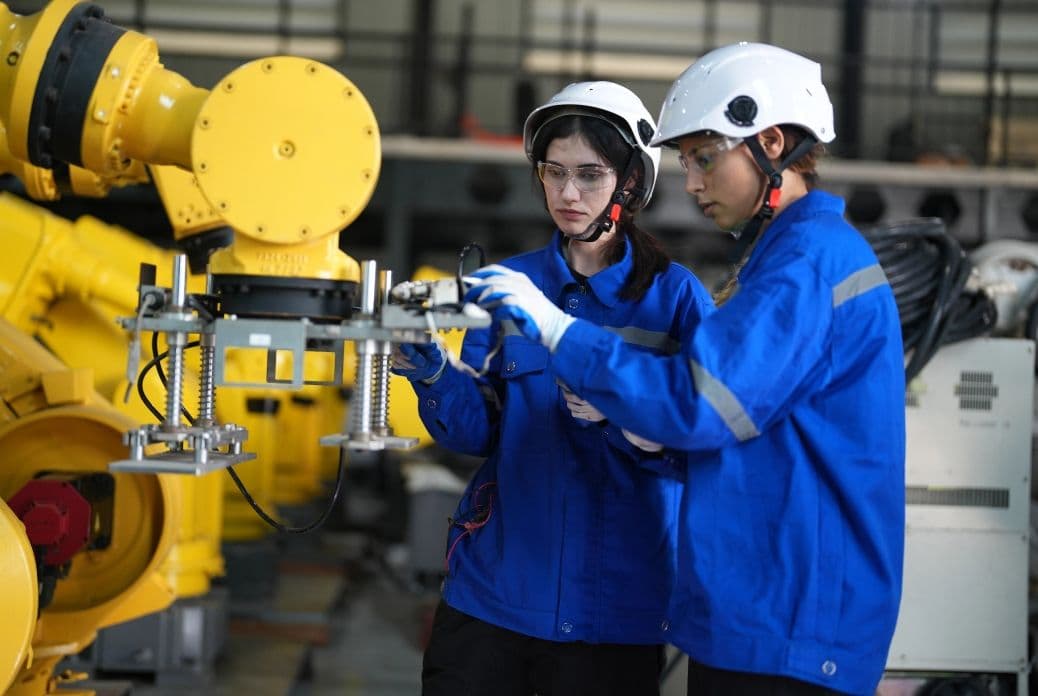

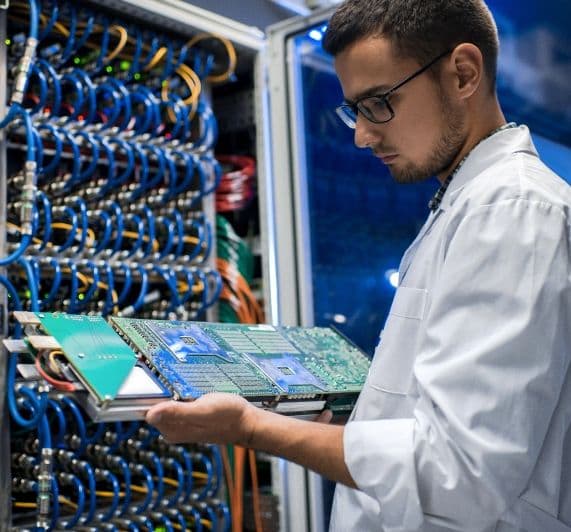
The department houses specialised laboratories that support advanced research, innovation, and prototype development across its major research domains. These facilities provide students and researchers with opportunities to translate theoretical concepts into practical engineering solutions through experimentation, simulation, and interdisciplinary collaboration. Key research facilities include:


Thapar Institute of Engineering & Technology combines experience with new-age implementation.
P.O. Box 32, Bhadson Road, Patiala, Punjab, Pin -147004, India
Toll-free Number : 18002024100
Timings: 9 AM to 6 PM, Monday to Saturday
admission@thapar.edu